
Mini roulette is the smarter way to burn through a bankroll on a phone, not the other way around.
Most punters treat the smaller wheel like a novelty, a pocket version for when the main event is sold out, but the mathematics of the thing actually rewards the mobile player who knows how to read a connection. When you search for mini roulette online casino Australia, you are usually chasing speed, not spectacle, and that search reveals a simple truth: the mobile interface strips away the noise that slows down good decision-making. The wheel spins faster, the cards load quicker, and the whole experience sits closer to the thumb, which matters when you are standing on a train platform at Penrith with thirty seconds to kill before the next service rolls in.
Read the wheel before you tap the sign-up button
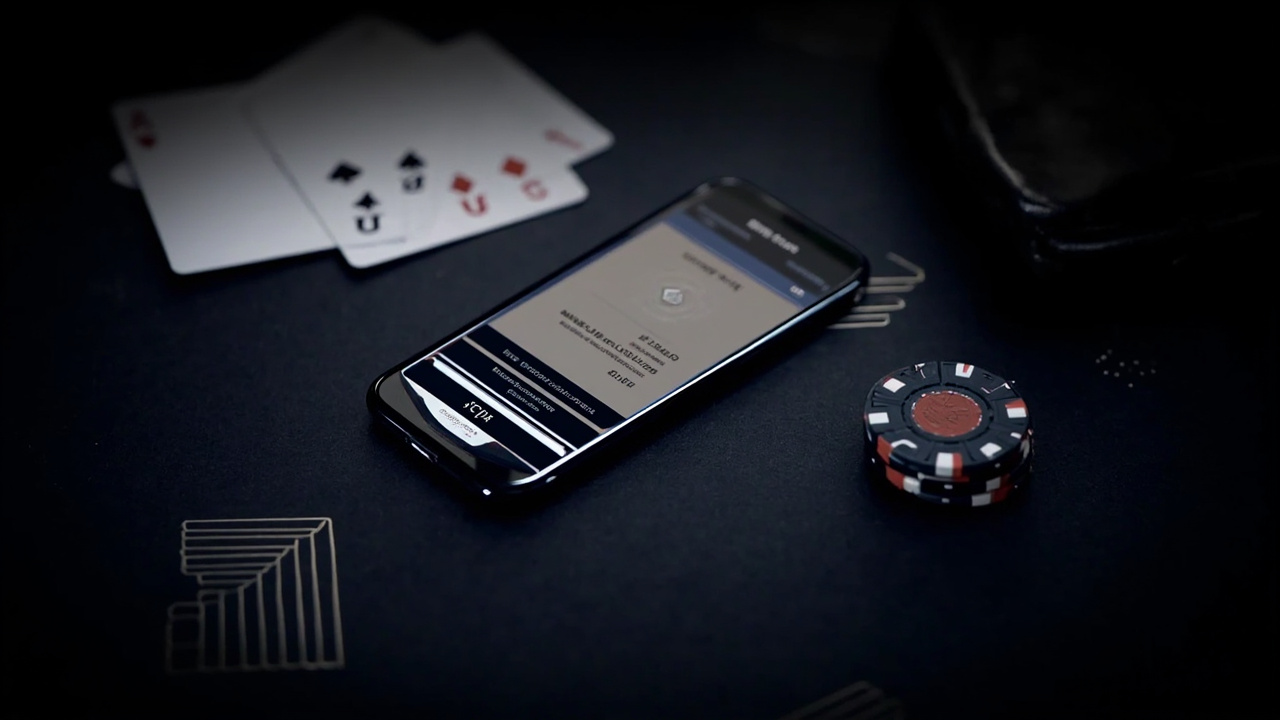
A smaller wheel is not a smaller risk if you treat the numbers the same way you would treat a full table. The layout drops the zeros or reduces the pockets, which changes the frequency of hits, and anyone who ignores that change is just donating money to the house edge with extra steps. A decent operator will show the pocket count plainly, and a wary player should check that number before depositing a single dollar, because the difference between eight pockets and twelve changes the maths more than most marketing pages admit. The trick is to treat the smaller layout as a different game entirely, not a shrunken copy of something you already know.
Choose the browser over the app when data is tight
Apps look polished, but they chew through storage and background data in ways that a well-built mobile site simply does not. If you are playing on a prepaid plan or hopping between hotspots around the Western Sydney line, the browser version usually wins on footprint, and you can close a tab without uninstalling anything when the session goes cold. A practical test is to load the site on a crowded train and watch how the wheel behaves when the signal dips, because a site that holds its layout under those conditions is doing the work that matters. The same operator might offer both paths, but the browser route tends to suit the player who values a clean exit as much as a clean entry.
| Aspect | Mobile browser | Dedicated app |
|---|---|---|
| Storage use | Near zero on the device | Several megabytes installed |
| Data per session | Scales with the page load | Can run background refreshes |
| Fast exit | Close the tab | Uninstall or force-stop |
| Signal recovery | Reconnects on reload | May hang until the app is reopened |
Treat the layout as a different game, not a smaller one
The pocket count is the first thing worth checking, and it is the one detail that separates a thoughtful session from a careless one. A wheel with fewer pockets turns over results faster, which sounds like good news until you realise that faster results also mean faster depletion of a bankroll that was never sized for that pace. A sensible approach is to set a loss limit before the first spin and treat that limit as a hard wall, not a guideline you renegotiate when the wheel goes quiet for a minute. The layout itself is not the enemy; the failure to measure it against your own limits is.
Set a hard loss limit before the first spin
A limit only works when it is written down before the money leaves your account, and the exact figure should match the session, not the week. Say you bring fifty dollars to the table and decide that twenty of it is the absolute ceiling for the night, then stop when that line is crossed rather than waiting for a feeling to tell you to quit. A named method worth using is the session cap, where you divide the total you are willing to risk across a set number of spins and refuse to top it up when the balance dips. The discipline is boring, which is exactly why it works. Junkee
Match the wheel speed to a late-night train ride
Australian time zones create a quiet window that suits the smaller wheel better than the crowded main tables. AEST and AWST sit three hours apart, and that gap means a late session in one corner of the country can feel like a different rhythm from the same session in another, which matters when you are trying to keep your head clear. A player finishing a shift in Parramatta and logging on at 11pm local time is not chasing the same energy as someone in Perth doing the same thing, and the difference is real enough to shape how long a session should run. The practical move is to pick a window you can name in advance and treat it as the boundary, not a suggestion.
Use a named punter’s session as a working example
A player called Danny from Bankstown ran a single session last month with a fifty-dollar deposit and a twenty-dollar session cap, and he logged the results in a notes app rather than trusting his memory. He played twelve spins on a browser window while waiting for a connection at a station, stopped at the cap, and walked away with twenty-eight dollars left in the account, which is not a story about winning big but a story about leaving with something intact. The point of the example is not the profit, because a single quiet session proves nothing, but the discipline of naming the limit before the wheel started turning. A session like that is repeatable because the rules were set before the first tap.
Know when the browser window has done its job
A browser session has a natural end point that an app can blur, and that end point is useful for anyone who has learned the hard way that chasing a dip rarely ends well. When the wheel has turned enough times to use the session cap, the sensible move is to close the tab and let the connection go cold instead of hunting for a second wind. A player who has been burned before will recognise that the urge to reopen the same window is usually a sign to stop, not a sign to try again. The browser makes that exit cleaner, which is a small advantage that adds up over time.

Keep the support line close when the session goes quiet
A responsible operator will make help easy to find, and a wary player should test that path before the money is in play rather than after a session has gone sideways. The independent support line at gamblinghelponline.org.au exists for exactly that reason, and a player who knows the address before the first deposit is in a better position to use it without the pressure of a live loss sitting on the table. A good habit is to save the address in a notes app alongside the session cap, so the two things sit next to each other when the window is open. The habit is small, but it is the kind of small that matters when a session stops feeling like a game and starts feeling like a problem.
The smaller wheel keeps turning long after the main tables have gone quiet, and the player who treats it as a measured session rather than a fast track to a win is the one who walks away with the account still intact. A late train rolls through Western Sydney with the windows lit up, and the person watching the pocket count instead of the payout is the one who knows the difference between a game and a habit.
The line between curiosity and compulsion is drawn in the quiet moments when the lights dim and the choice remains entirely your own. You can read more about keeping that balance steady at https://21yamaha.com/au/. In the end, the most rewarding returns are the ones you choose to carry forward without letting the wheel dictate the pace.